
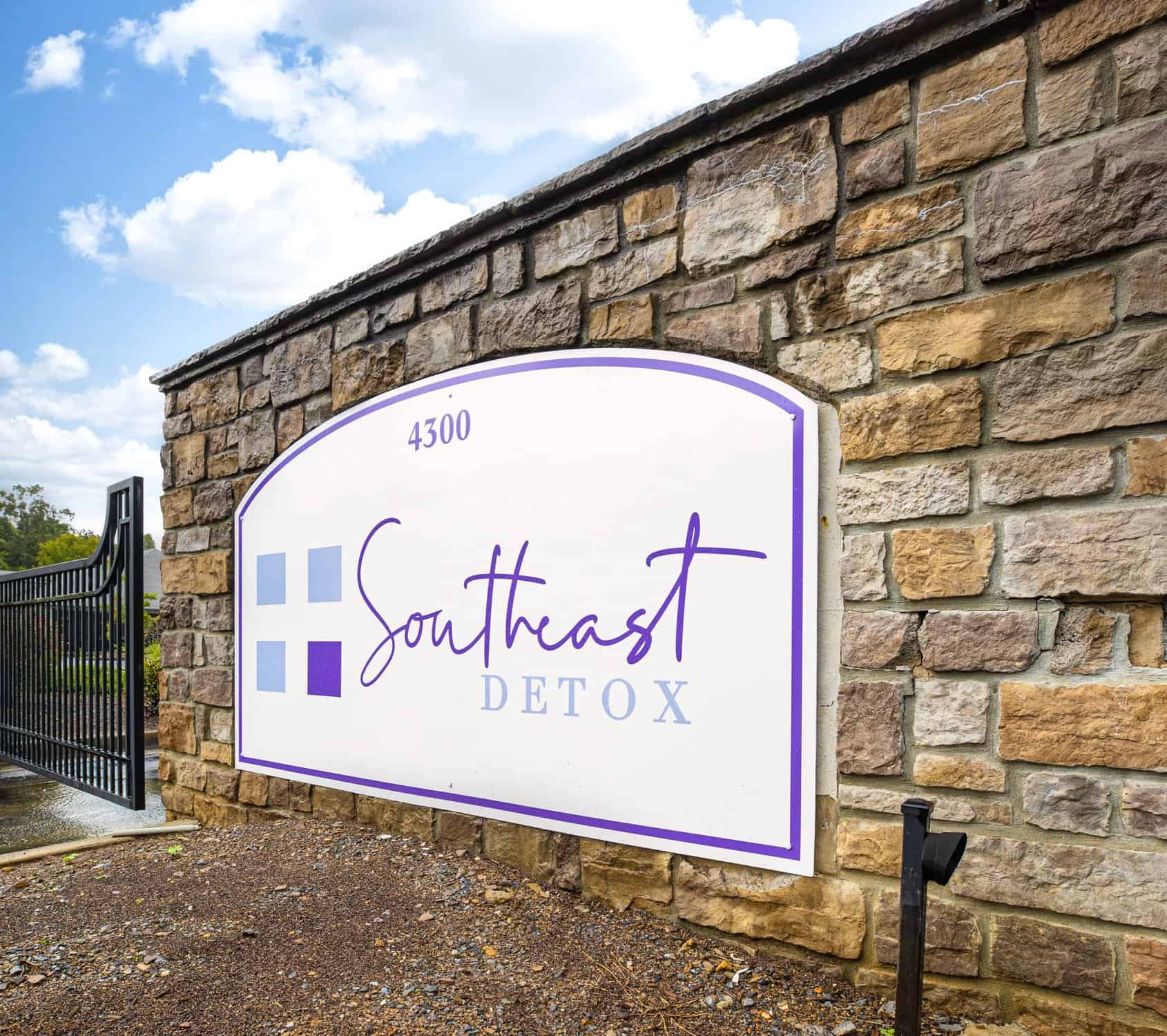
Residential (Inpatient) Addiction Treatment, Near Metro Atlanta, GA
Residential treatment provides 24/7 supervision, medical support, and evidence-based therapy in a structured setting. Southeast Detox is located in Rome, GA, just outside Metro Atlanta.
Get Help Now
If you are in immediate danger, call 911. For urgent emotional support, call or text 988. You can also reach the SAMHSA National Helpline at 1-800-662-HELP (4357), or visit FindTreatment.gov.
What Is Residential Treatment?
Residential (inpatient) treatment means living at the treatment center while receiving care. It includes individual and group therapy, relapse-prevention planning, and support for co-occurring mental health conditions.
Residential Treatment vs. Detox, Inpatient Hospital Care, and Outpatient Programs
Residential treatment differs from medical detox, inpatient hospital care, and outpatient programs in its level of structure, length of stay, and the type of ongoing therapeutic support provided.
Who We Treat
We work with adults 18+ facing:
- Drug or alcohol addiction
- Repeated relapses
- Co-occurring mental health conditions (anxiety, depression, trauma, bipolar disorder)
- Unsafe or unsupportive home environments
- Chronic relapse triggers
- Substance use interfering with daily life
Why Choose Residential Treatment?
Residential treatment removes everyday barriers and triggers, offering a substance-free environment, continuous support, and relapse-prevention strategies.
Signs You May Need Residential Rehab
- You can’t stop on your own
- You have experienced relapse(s)
- You are experiencing withdrawal symptoms
- You have a co-occurring disorder
- You have tried outpatient treatment without success
- Your living environment is unstable or unsafe
- You are using substances to cope
What to Expect in Residential Treatment
A structured daily schedule that includes individual and group therapy, holistic activities, medical monitoring, education, and optional family involvement.
A Typical Day in Residential Treatment
- Morning wellness check & medication management
- Breakfast
- Group therapy / psychoeducation
- Individual therapy
- Breaks and recreation
- Holistic therapies (yoga, meditation, art, music)
- Lunch
- Recovery workshops
- Evening support groups
- Personal time
- Lights out
About Our Residential Treatment Center in Georgia
Our fully renovated facility includes flat-screen TVs with wifi and streaming, Tempur-Pedic mattresses and down comforters, luxury vinyl plank flooring, catered meals, on-site snacks and beverages, community lounges, and quiet outdoor spaces. Clients may bring select personal comfort items.
How Long Is Residential Treatment?
Length of stay ranges from a few weeks to several months, depending on clinical needs and progress.
Our Evidence-Based Treatment Approach
Individual Therapy
CBT, DBT, Motivational Interviewing, Contingency Management, trauma-informed care, and family therapy.
Group Therapy
Peer-based process and psychoeducational groups.
Holistic Therapy
Yoga for Addiction Recovery
Stress relief, reduced cravings, emotional regulation, physical healing, and mindfulness.
EMDR Therapy
Trauma processing as part of a comprehensive treatment plan.
Dual Diagnosis Treatment
Anxiety, depression, PTSD, bipolar disorder, mood dysregulation, and trauma-related symptoms are treated alongside substance use.
Medical & Psychiatric Support
Medication management, withdrawal monitoring, medical check-ins, and psychiatric evaluations.
Residential Amenities & Supportive Services
Case management, discharge planning, outpatient coordination, transportation assistance, and family communication.
After Residential Treatment: Your Next Level of Care
Step-down options include PHP, IOP, outpatient counseling, sober-living referrals, and community support groups (NA/AA/SMART).
Insurance & Payment Options
We help with benefits verification, deductibles and co-pays, out-of-network options, and self-pay.
Practical Details: What to Bring, Contact Rules, and Arrival
What to bring: photo ID and insurance card, current medications in original bottles, comfortable clothing and toiletries, approved comfort items.
What not to bring: alcohol, drugs, weapons, unsafe items, unapproved over-the-counter medications or supplements. Please leave valuables at home.
Our team can walk you through phone and visitation policies and what to expect on arrival.
How to Choose a Residential Treatment Program (Quick Checklist)
- Licensing and staffing
- Withdrawal and medication management capability
- Evidence-based therapies offered
- Weekly program structure
- Step-down/aftercare planning
- Phone and visitor policy
- Insurance verification process
Residential Treatment FAQs
Speak With Our Atlanta, GA Addiction Treatment Team
Our admissions team is available 24/7 to answer questions and help you take the next step.