
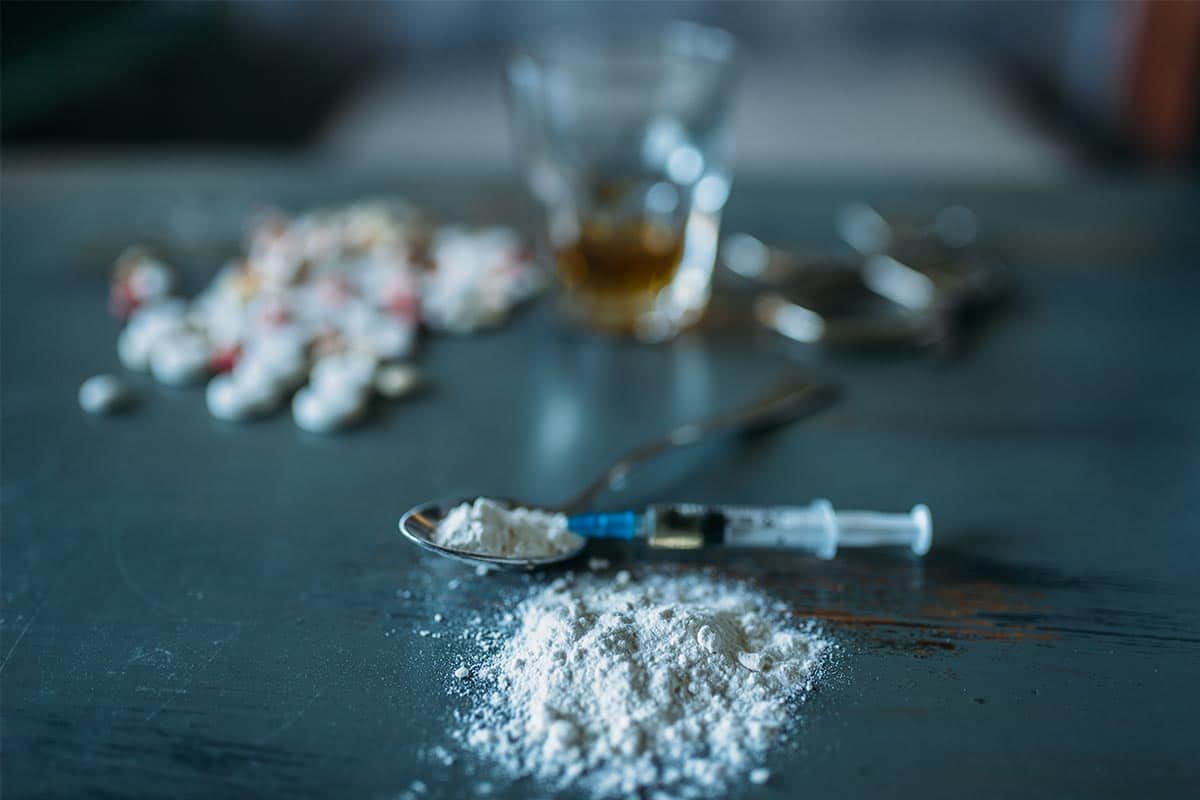


The prescription version of ketamine — esketamine — is a relatively safe drug when used as directed, although there are very few approved indications. Despite this, there is a growing interest among younger users to obtain the drug illegally and mix it with other street substances to induce a euphoric high. Using ketamine without a prescription can lead to health complications, though overdose is rare. Toxicology screenings have noted ketamine as a drug of choice among individuals who overdosed while engaging in polysubstance use.
What is Ketamine?
The United States Drug Enforcement Administration (DEA) describes ketamine as a dissociative anesthetic that induces a sense of detachment.[1] It works by altering perceptions of sights and sounds, leading users to feel out of control. For those dealing with severe pain or negative feelings, this is a sought-after effect, as it provides mental and physical relief from their distress.
In addition to its hallucinogenic effects, ketamine induces a state of sedation, allowing individuals who use it to feel euphoric and calm.[2] Unfortunately, this also leads to immobility and amnesia, which is why the drug has been associated with sexual assault.[2]
Street names for ketamine include: cat tranquilizer, Kit Kat, Special K, Super Acid, and Vitamin K.[2]
Does Ketamine Have a Medical Use?
Although Ketamine is not available as a prescription drug, it is used in human and animal surgeries as an anesthetic. The prescription form, Spravato (esketamine), is available as a nasal spray for the treatment of treatment-resistant depression.[3] It is important to note that esketamine and ketamine are not identical, though the former contains the active form of the drug.
How Much Ketamine is Considered Toxic?
Ketamine, as a recreational drug, has not been well-studied. For this reason, there isn’t an established ‘toxic’ dose. According to the Centers for Disease Control and Prevention (CDC), ketamine rarely causes overdose by itself.[4] In fact, fewer than one percent of overdoses involving ketamine were solely due to ketamine.[4] Conversely, 82% of overdose deaths involving ketamine also involved another illicit drug, such as cocaine or fentanyl.[4]
This is not to say that ketamine won’t cause an overdose on its own, but it is unlikely. Though using it recreationally can increase the risk.
What Are the Symptoms of Ketamine Overdose?
Ketamine overdose symptoms are similar to those of phencyclidine (PCP) toxicity, as the two drugs are chemically similar.[5] Typically, the symptoms will last no more than a few hours, but this will depend on the dose used and the route of administration.
These symptoms include:
- General: Impaired or loss of consciousness, sedation, respiratory depression
- Abdominal: Stomach pain, tenderness
- Gastrointestinal: Nausea and vomiting
- Cardiovascular: High blood pressure (hypertension), fast heart rate (tachycardia), palpitations, arrhythmias, chest pain
- Head, Ears, Eyes, Nose, and Throat: Nystagmus, mydriasis, excessive salivation
- Neurological: Disorientation, paranoia, dysphoria, confusion, anxiety, slurred speech, dizziness, ataxia, muscular rigidity, psychomotor or acute dystonic reactions
- Genitourinary: Lower urinary tract symptoms

Ketamine toxicity has no specific antidote; therefore, treatment primarily involves supportive care.[6] This includes gastrointestinal decontamination with activated charcoal if the substance was swallowed, as well as airway management and intravenous fluids.[6] In cases where patients experience psychological effects such as extreme agitation or psychosis, medications like benzodiazepines or butyrophenones can be administered.[6]
What Are the Causes of a Ketamine Overdose?
Using ketamine with another drug can result in an overdose. Similarly, using it in any amount without a medical need can result in an overdose. According to the DEA, when ketamine is snorted, injected, or smoked, it is more likely to end in an overdose than when used as a nasal spray.[1]
Note about ketamine misuse: Street ketamine is sometimes cut with dangerous substances, including opioids like fentanyl, to enhance the user’s high. This form of adulteration can be deadly, even in the smallest amount.
Is a Ketamine Overdose a Sign of Drug Addiction?
Repeated ketamine abuse resulting in overdose can signal that someone is having difficulty quitting the drug. It can also be a sign of a substance use disorder (SUD).[7]
Additional signs of a SUD include
- Having a preoccupation with ketamine use
- Avoiding important functions to use or recover from ketamine use
- Developing withdrawal upon stopping ketamine
- Having cravings for ketamine when not using
- Experiencing problems with one’s social or family life due to ketamine use
- Using more ketamine than intended or for longer than intended
- Giving up responsibilities or activities to use ketamine
- Using ketamine in risky situations
- Needing more ketamine than before to experience the same effects (tolerance)
Disclaimer: While the signs mentioned can help determine if you or a loved one has a substance use disorder, a proper diagnosis can only be made by a mental health professional.
Overcoming a Ketamine Addiction
Change may be difficult, but overcoming an addiction is especially trying. This is due to the changes that occur in the brain once an addiction takes hold.[8] These changes affect the motivation and reward centers in your brain, leading to symptoms of tolerance and dependence. At this stage, you may quit and reinitiate use multiple times, entering a never-ending cycle of disappointment followed by temporary elation.
To begin your journey to sobriety, adopt the following five steps:
- Set a quit date: It may help to choose a date that’s important to you, such as a holiday or birthday.
- Change your environment: Remove yourself from any triggers that cause you to use. This can include avoiding friends who use drugs with you or encourage you to use.
- Occupy yourself: When you get urges to use, fill your time with activities you enjoy, such as swimming, walking, or talking to loved ones on the phone.
- Review your past attempts to stop using ketamine: Create a list of what worked and what did not. Identify what could have caused you to relapse.
- Put together your own support circle: Reach out to your loved ones whenever you need encouragement to overcome the urge to use. Ask them not to use in front of you, if they would have normally done so, as a way to support your sobriety journey.
At this stage, you’ve taken the courageous first step to overcoming your ketamine dependency. We can help you the rest of the way.
Call Southeast Detox GA to find out about our programs for ketamine dependency and addiction. We have helped thousands of people achieve sobriety and prevent future relapses.