



Drug and alcohol use may be easy to hide, but the signs of being under their influence are significantly harder to conceal. This is due to changes in the brain that lead to physical, psychological, and behavioral alterations shortly after use. These changes can last from several hours to an entire day and vary in severity. However, severe symptoms typically indicate a high resulting from consuming a toxic amount, also referred to as an overdose.[1]
In this guide, you’ll discover what causes a drug high and the psychological, behavioral, and physical signs someone is using them.
Cognitive Signs of Being High
Cognition is a blanket term incorporating processes such as memory, thinking, attention, and language.[2] It is controlled by the prefrontal cortex, an important part of the brain located behind the forehead.[3] When working normally, it receives signals from the brainstem, activating these processes. Drug misuse, however, disrupts these signals, causing cognitive delay. This results in the cognitive signs of being high.[4]
- Impaired thinking
- Delayed reaction time
- Delayed motor skills
- Difficulty holding objects
- Lightheadedness
- Dizziness
- Altered perception
- Difficulty balancing
- Problems remembering things
- Slurred speech
- Decreased coordination
- Heightened senses
- Blurred vision
- Difficulty focusing
Many of these signs are temporary and will wear off when the drug is completely detoxed from the system. However, it’s important to note that not all drugs are created equally. Substances like cannabis can have long-term effects that last for months and even years after the last use.[5]
Physical Signs of Being High
A person influenced by drugs can show various physical signs of being high. These signs persist for hours after drug use, gradually diminishing. Many of them are due to disruptions in how the brain transmits and receives signals. This leads to widespread impairments that are hard to conceal.
If your loved one is under the influence of an addictive substance, they may display the following physical signs:[6]
- Sudden weight loss or weight gain
- Disheveled appearance
- Bloodshot eyes
- Dilated pupils
- New or worsening skin sores
- Hair thinning or hair loss
- Poor personal hygiene
- Declining oral health
- Poor skin tone
- Appearing tired or drowsy
- Jerky body movements
It’s important to note that many of the above-listed signs overlap with symptoms of depression or other mental health disorders. Therefore, displaying these signs alone is not indicative of drug use.
Behavioral Signs of Being High
Drugs, such as methamphetamines, hallucinogens, and stimulants, cause sudden behavioral changes. This is because they send abnormal messages to neurons in the body, causing them to alter important brain areas that control motivation and impulses.[4] They also activate the extended amygdala, which controls stress and anxiety. Unfortunately, this part of the brain becomes very sensitive with increased drug use. This results in anxiousness and nervousness, amongst other behavior signs.
They include:[7]
- Difficulty in relationships
- Engaging in secretive behaviors
- Frequently getting high
- Neglecting school, work, or home responsibilities
- Increased need for money
- Increased drug tolerance
- Drug cravings
- Loss of control over substance use
- Sudden angry outbursts
- Abandoning pleasurable activities
- Depressive mood swings
- Dissociation/ schizophrenia
- Psychosis
Some people may want to argue or fight when under the influence, though this is more likely with stimulant drug use. They may also take more risks than usual, leading to increased accidents and family disagreements.
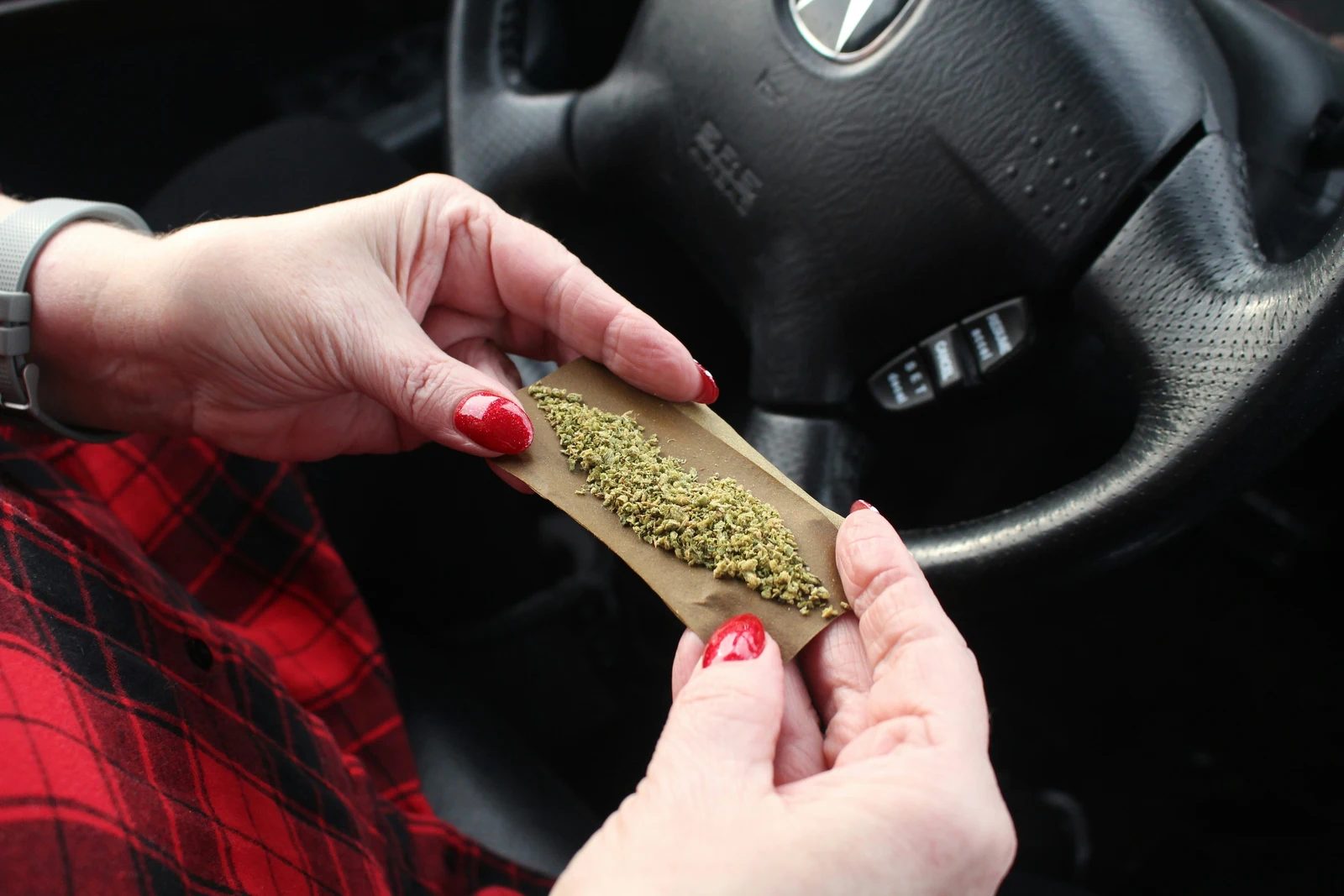
What Substances Lead to a Drug High?
Many substances, both legal and illegal, change how a person thinks and judges, potentially leading to addiction.
According to the National Institute on Drug Abuse, these substances include:[8]
- Alcohol: A common name for ethanol or ethyl alcohol found in spirits, beer liquor, and wines.
- Ayahuasca: A hallucinogenic plant found in the Amazon region.
- Cannabis: Also known as marijuana, it comes from the hemp plant Cannabis sativa. It includes edibles, oils, and dried leaves.
- Benzodiazepines: Prescription central nervous system depressants that include Xanax and Valium.
- Cocaine: An illegal stimulant drug derived from the coca plant native to South America.
- Fentanyl: A synthetic opioid that produces a profound high.
- Heroin: An opioid made from morphine, a byproduct of the poppy plant.
- Ketamine: A hallucinogenic, disassociative drug often provided as an anesthetic.
- Kratom: A deciduous tree native to Southeast Asia whose leaves contain psychotropic properties.
- MDMA (ecstasy/ Molly): A schedule 1 psychoactive drug that contains both hallucinogen and amphetamine properties
- Mescaline (peyote): A hallucinogenic substance found on the crown of specific cacti.
- Methamphetamine (including crystal meth): A Schedule 2 stimulant that appears as white powder or shiny pieces of broken glass.
- Dextromethorphan: A cough suppressant that has psychoactive properties when used in excessive amounts.
- Oxycodone/percocet: Strong pain relievers that cause euphoric effects similar to heroin.
- Loperamide: An anti-diarrheal medication that elicits euphoria when taken in high doses.
- PCP (angel dust): Once used as an intravenous anesthetic, this dissociative drug is now used for its hallucinogenic effects.
- Speed: A schedule 2 prescription medication used to treat attention deficit hyperactivity disorder ADHD. Described under the names Adderall or Ritalin.
- Anabolic steroids: Synthetic substances used to manipulate hormones in the body. They are generally misused to enhance athletic and sexual performance.
- Salvia: A drug from the Mint family that causes users to feel detached from reality.
- Synthetic cathinone (bath salts): A family of drugs containing synthetic stimulant chemicals that are naturally found in the khat plant.
- Tobacco/ nicotine: A plant native to the United States that contains an addictive chemical called nicotine.
How Long Does it Take for a High to Wear Off?
There is no standard timeframe for how long a drug high lasts, as the duration of effects varies based on several factors. These include the drug class, the amount consumed, the form in which it is taken, and the method of use. Generally, a drug is eliminated from the body in four to five times its elimination half-life. Therefore, it is safe to say that most symptoms of a drug high will be completely gone within that time. [9]
Commonly abused substances and their elimination half-lives include:
- Cannabis: 2 hours, including metabolites [10]
- Alcohol: 4 to 5 hours (ethanol elimination)[11]
- Methamphetamine: 10 hours [12]
- Phencyclidine: 21 hours [13]
- MDMA: 8 to 9 hours [14]
- Cocaine: 14.6 to 52.4 hours [15]
- Adderall: approximately 10 hours [16]
- Oxycodone: 3 hours [17]
- Benzodiazepines: Times differ by type: short-acting 1-12 hours; intermediate-acting 12-40 hours; long-acting 40 to 250 hours. [18]
Getting Help for Repeated Drug Use
Using drugs repeatedly can result in tolerance, dependence, and addiction. To quit drugs and alcohol, it’s essential to identify the reasons behind your substance use and recognize the triggers that compel you to use, even when it adversely affects you and those around you. This process requires acknowledgment and honesty, along with support from qualified professionals who employ scientifically supported methods and FDA-approved medications for assistance.
If you’re in Georgia, contact Southeast Detox, GA, to learn about our treatment options for substance abuse and addiction and how we’ve helped thousands of people overcome addiction and remain sober.