
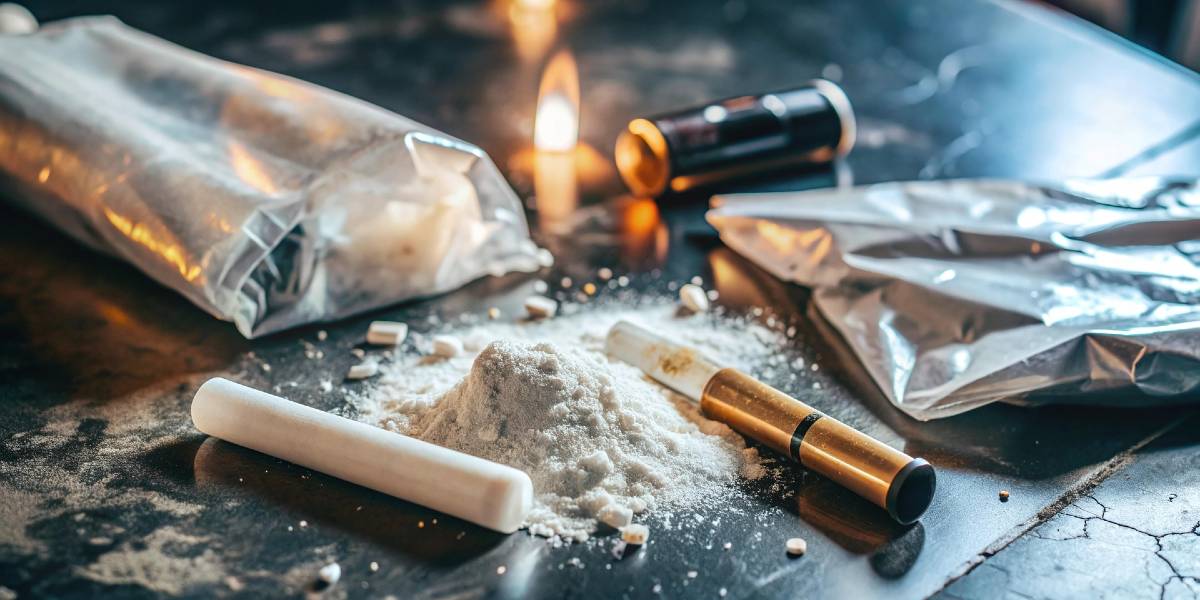

Cocaine is a powerful, highly addictive stimulant made from the leaves of the coca plant, native to South America. It speeds up the central nervous system, producing a short burst of energy, confidence, and euphoria, followed by a crash that often drives people to use again. That cycle is what makes cocaine one of the most dangerous drugs in the United States today, especially now that much of the street supply is contaminated with fentanyl.
This guide covers where cocaine came from, how common its use is in the U.S. and Georgia, what it does to the body in the short and long term, how long it stays in your system, and what people mean by an “8 ball.” If you or someone you love is struggling, cocaine addiction treatment at Southeast Detox can help you take the first step safely.
The History of Cocaine
Cocaine went from a sacred leaf to a medical miracle to one of the most tightly controlled drugs in the world in roughly 150 years.
People in the Andes have chewed coca leaves for thousands of years to fight hunger, fatigue, and altitude sickness, a far smaller dose than purified cocaine. In 1860, German chemist Albert Niemann isolated the drug and named it cocaine. By the 1880s, doctors used it as the first local anesthetic, Sigmund Freud promoted it for depression, and it appeared in tonics, wines, and the original 1886 Coca-Cola formula.
As addiction and deaths mounted, the U.S. restricted cocaine through the Harrison Narcotics Tax Act of 1914, and the 1970 Controlled Substances Act made it a Schedule II drug. Cocaine resurged as a party drug in the 1970s, and cheap, smokable crack fueled an epidemic of addiction, violence, and incarceration in the mid-1980s.
Today, South American cocaine production is at record highs, and the biggest new danger is the supply itself: cocaine is frequently contaminated with fentanyl, turning a stimulant into a potentially fatal opioid exposure.
Cocaine Use Statistics in the U.S. and Georgia
Millions of Americans use cocaine every year, and cocaine-involved overdose deaths have climbed more than sixfold since 2011, largely because of fentanyl in the supply.
Cocaine use in the United States
- 4.3 million people aged 12 or older (1.5%) used cocaine in the past year, according to the 2024 National Survey on Drug Use and Health (NSDUH). This includes crack cocaine.
- Young adults use cocaine at the highest rate: 2.3% of adults aged 18 to 25 (about 811,000 people) used it in the past year.
- About 72,000 adolescents aged 12 to 17 used cocaine in the past year.
- Nearly 50 million Americans (16.8%) had a substance use disorder in 2024, including 28.2 million with a drug use disorder (Partnership to End Addiction summary of the 2024 NSDUH).
Cocaine overdose deaths in the United States
- Cocaine-involved overdose deaths rose from 4,681 in 2011 to 29,449 in 2023, according to a 2025 CDC MMWR report.
- The cocaine overdose death rate nearly doubled, from 4.5 per 100,000 people in 2018 to 8.6 per 100,000 in 2023 (CDC NCHS Data Brief).
- From January 2021 to June 2024, 30% of all overdose deaths tracked by the CDC involved cocaine, and 79% of those cocaine deaths also involved opioids, mostly fentanyl.
- Among Black Americans, the cocaine-involved death rate rose from 9.1 to 24.3 per 100,000 between 2018 and 2023.
- Total U.S. overdose deaths fell to about 80,391 in 2024, down nearly 27% from 2023, with declines in cocaine-involved deaths as well (CDC). Even so, cocaine remains one of the most common drugs found in fatal overdoses.
Cocaine use in Georgia
- About 146,000 Georgians aged 12 or older (1.59%) used cocaine in the past year, slightly above the national rate (NSDUH 2022–2023 Georgia state estimates).
- 3.07% of Georgia young adults aged 18 to 25 used cocaine in the past year.
- More than 1.5 million Georgians (17.2%) had a substance use disorder, and about 927,000 had a drug use disorder.
- Georgia’s stimulant-involved overdose death rate was 13.0 per 100,000 residents in 2023, with 21.7 stimulant-related ER visits per 100,000 (Georgia DPH).
Cocaine-involved overdoses in Georgia, from the Georgia Department of Public Health:
| Year | Cocaine overdose deaths | Rate per 100,000 | Cocaine ER visits | Cocaine hospitalizations |
| 2020 | 412 | 3.8 | 1,091 | 908 |
| 2019 | 387 | 3.6 | 1,238 | 1,006 |
| 2018 | 367 | 3.5 | 1,236 | 978 |
Georgia families seeking care close to home can learn more about our Rome, GA treatment center.
How Cocaine Affects Your Body
Cocaine floods the brain with dopamine, the chemical tied to pleasure and reward, by blocking the brain from recycling it. The result is an intense but short-lived high, and a heavy strain on the heart and nervous system.
How fast it works and how long the high lasts
How quickly cocaine takes effect depends on how it is used:
| Method | Onset | Length of high |
| Snorting (powder) | 3–5 minutes | 15–30 minutes |
| Smoking (crack) | Under 10 seconds | 5–10 minutes |
| Injecting | 10–60 seconds | 5–20 minutes |
The shorter and more intense the high, the stronger the urge to use again, which is why people often binge, taking repeated doses over hours.
Short-term effects of cocaine
Psychological effects:
- Euphoria, energy, and talkativeness
- Heightened alertness and sensitivity to sight, sound, and touch
- Irritability, restlessness, and anxiety
- Paranoia and, at higher doses, panic or psychosis
Physical effects:
- Faster heart rate and higher blood pressure
- Narrowed (constricted) blood vessels
- Dilated pupils
- Higher body temperature and sweating
- Decreased appetite and need for sleep
- Tremors, muscle twitches, and nausea
The cocaine crash
When the high wears off, people often “crash.” The crash can include exhaustion, depression, intense cravings, anxiety, and trouble sleeping. Many people use more cocaine to escape these feelings, which feeds a cycle of bingeing and dependence. Cocaine also commonly co-occurs with anxiety and depression; dual diagnosis treatment addresses both at the same time.
Long-Term Effects of Cocaine
Repeated cocaine use changes the brain’s reward system and damages nearly every major organ, and some of that damage is permanent.
Brain and mental health
- Tolerance and addiction: Over time, the brain adapts to cocaine. People need more to feel the same high and feel worse without it.
- Mood disorders: Long-term use is linked to depression, anxiety, irritability, and loss of pleasure in everyday life (anhedonia).
- Paranoia and psychosis: Heavy use can cause hallucinations, including the feeling of bugs crawling under the skin (“coke bugs”).
- Memory and attention problems: Studies link chronic use to problems with attention, impulse control, memory, and decision-making.
- Stroke and seizures: Cocaine raises the risk of bleeding in the brain, strokes, and seizures, even in young people.
Heart and blood vessels
Cocaine is often called “the perfect heart attack drug.” Long-term use can cause:
- Heart attacks, including in otherwise healthy young adults
- Irregular heart rhythms (arrhythmias)
- Inflammation and weakening of the heart muscle (cardiomyopathy)
- Tears in the aorta (aortic dissection)
- Hardening and narrowing of the arteries
Damage by method of use
| Method | Long-term damage |
| Snorting | Loss of smell, nosebleeds, chronic runny nose, trouble swallowing, hoarseness, and a hole in the nasal septum |
| Smoking crack | Chronic cough, lung damage (“crack lung”), asthma, and higher risk of infections like pneumonia |
| Injecting | Collapsed veins, skin infections and abscesses, and higher risk of HIV and hepatitis C |
Other long-term health effects
- Digestive system: Reduced blood flow to the intestines can cause tears and ulcers.
- Kidneys and liver: Cocaine can cause kidney failure (especially through muscle breakdown called rhabdomyolysis) and liver damage, particularly with alcohol.
- Weight loss and malnutrition from suppressed appetite.
- Sexual and reproductive problems, and risks to unborn babies during pregnancy, including premature birth and low birth weight.
The good news is that some effects improve with sustained recovery. Evidence-based approaches like cognitive behavioral therapy (CBT) and relapse prevention help people rebuild healthy routines and avoid returning to use.
How Long Does Cocaine Stay in Your System?
Cocaine is usually detectable in urine for 2 to 4 days after use, but heavy users can test positive for a week or more, and hair tests can detect it for 90 days or longer.
Cocaine itself leaves the bloodstream quickly; its half-life is roughly 1 to 1.5 hours (Jufer et al., 2000). Most drug tests don’t look for cocaine itself. They look for benzoylecgonine, the main substance the liver breaks cocaine down into, which stays in the body much longer.
Cocaine detection times by test type
| Test type | Typical detection window | What it shows |
| Urine | 2–4 days (occasional use); 1–2 weeks or more (heavy, repeated use) | The most common test for employment, probation, and treatment |
| Blood | Up to 1–2 days | Recent use; often used after accidents or in hospitals |
| Saliva | 1–2 days | Recent use; quick roadside or workplace testing |
| Hair | Up to 90 days or longer | A history of use over months, not recent use |
Sources: Verstraete, 2004; Cairns et al., 2004; Niedbala et al., 2001.
What affects how long cocaine stays in your system
- How much and how often: Bingeing or daily use lets cocaine and its metabolites build up faster than the body can clear them.
- Method of use: Smoking and injecting deliver cocaine faster than snorting, which changes how it is absorbed and processed.
- Liver and kidney health: These organs clear cocaine from the body; reduced function slows the process.
- Alcohol use: Drinking while using cocaine creates cocaethylene, a toxic compound that stays in the body longer than cocaine alone.
- Age, body size, metabolism, and hydration can shift results slightly.
There is no safe or reliable way to “flush” cocaine out faster. Drinking excessive water or using detox drinks does not speed up metabolism and can be dangerous. The only dependable way to clear cocaine is time, and the safest way to stop using is with medical support. A medical detox program in Georgia can manage withdrawal symptoms and keep you safe in the first days. For a similar breakdown for alcohol, see how long beer stays in your system.
What Is an 8 Ball of Cocaine?
An “8 ball” is street slang for one-eighth of an ounce of cocaine, or about 3.5 grams. The name comes from the fraction (an eighth) and the black 8 ball in pool. Other common slang for cocaine includes coke, blow, snow, and white; crack is often called rock.
How much does an 8 ball cost?
There is no fixed price, and anything bought on the street is unregulated. Prices vary by city, purity, supply, and how much is bought at once. U.S. retail prices are generally reported at $60 to $200 per gram, with federal sources such as the DEA citing around $160 to $200 per gram in recent assessments (Zinnia Health summary of DEA and UNODC figures). At those rates, an 8 ball commonly starts at around $150, though prices vary widely depending on location, purity, local supply and enforcement, the seller, and the quantity purchased, and can run to several hundred dollars.
The real cost is much higher than the price tag. Regular use can quickly run to thousands of dollars a month, and the financial strain often leads to debt, job loss, legal trouble, and damaged relationships. Possession of any amount of cocaine is a felony in Georgia, and possessing 28 grams or more can bring trafficking charges with mandatory minimum prison sentences.
How long does an 8 ball last?
It depends on the person, which is part of what makes it dangerous. A typical line is often estimated at 50 to 100 milligrams, so 3.5 grams could amount to roughly 35 to 70 lines.
- Someone who uses occasionally might stretch an 8 ball over several days or weeks.
- Someone with a developed tolerance or a binge pattern may go through an 8 ball in a single night or weekend.
- Shared among a group at a party, it may be gone in a few hours.
If an 8 ball that used to last a week now lasts a night, that is a clear sign of growing tolerance and possible addiction. Using several grams in one session also sharply increases the risk of heart attack, stroke, seizure, and overdose, especially if the supply contains fentanyl.
Purity and what’s really in it
Street cocaine is almost never pure. It is commonly “cut” with fillers such as baking soda, cornstarch, or sugars, other drugs like local anesthetics, caffeine, or levamisole (a veterinary dewormer linked to serious blood and skin disorders), and increasingly fentanyl. There is no way to know the purity or contents of an 8 ball by looking at it.
The Dangers of Cocaine
Cocaine can kill on the first use or the hundredth, and the risk today is higher than at any point in its history because of fentanyl contamination.
Fentanyl-laced cocaine
Fentanyl is a synthetic opioid roughly 50 times stronger than heroin. Nationally, 79% of cocaine-involved overdose deaths from 2021 to mid-2024 also involved opioids (CDC MMWR). Many people who use cocaine have no opioid tolerance and don’t know fentanyl is present, so even a small amount can stop their breathing. Learn more about fentanyl addiction and its risks.
Cocaine and alcohol
Mixing cocaine and alcohol is one of the most common and dangerous combinations. In the liver, the two form cocaethylene, a compound that is more toxic to the heart than cocaine alone and lasts longer in the body. It raises the risk of sudden cardiac death, seizures, and liver damage. If drinking is part of the pattern, alcohol addiction treatment may be part of recovery too.
Mixing cocaine with other drugs
- Opioids (“speedballing”): Combining cocaine with heroin or fentanyl masks the effects of each, leading people to take more, and can cause fatal respiratory failure.
- Other stimulants: Using cocaine with methamphetamine, Adderall, or ecstasy multiplies strain on the heart and raises body temperature to dangerous levels.
- Benzodiazepines: Some people use benzos to come down, which raises the risk of overdose, especially with opioid-contaminated cocaine.
Signs of a cocaine overdose
A cocaine overdose is a medical emergency. Call 911 immediately if someone shows:
- Chest pain, a racing or irregular heartbeat
- Very high body temperature, heavy sweating
- Extreme agitation, panic, paranoia, or confusion
- Seizures or tremors
- Trouble breathing
- Signs of stroke: sudden numbness, slurred speech, or severe headache
- Unresponsiveness, slow or stopped breathing, or blue lips (signs fentanyl may be involved)
If opioids may be involved, give naloxone (Narcan) if available. It won’t reverse cocaine’s effects but can reverse a fentanyl overdose and does no harm if opioids aren’t present. Georgia’s Medical Amnesty Law offers some legal protections for people who call for help during an overdose.
Signs of Cocaine Addiction
Cocaine addiction (cocaine use disorder) often develops quickly, and the signs can be easy to miss early on. Common warning signs include:
- Needing more cocaine to get the same effect
- Using more often or in larger amounts than intended
- Frequent nosebleeds, sniffing, or white residue around the nose
- Unexplained money problems or missing valuables
- Sudden mood swings, irritability, or paranoia
- Long periods without sleep followed by crashes
- Weight loss and neglect of hygiene, work, school, or family
- Continuing to use despite health, legal, or relationship problems
- Failed attempts to cut back or quit
Cocaine Withdrawal
Cocaine withdrawal is mostly psychological rather than physically dangerous like alcohol or benzodiazepine withdrawal, but it can be intense and is a major cause of relapse. Symptoms include:
- Depression and, in some cases, suicidal thoughts
- Intense cravings
- Fatigue and excessive sleep, or insomnia
- Increased appetite
- Anxiety, irritability, and agitation
- Trouble concentrating and vivid, unpleasant dreams
The crash usually begins within hours of last use. Acute withdrawal typically lasts 7 to 10 days, while cravings and low mood can persist for weeks or months. If you or someone you love has thoughts of suicide, call or text 988 for the Suicide & Crisis Lifeline. Southeast Detox also offers support for suicidal ideation.
Cocaine Addiction Treatment at Southeast Detox Georgia
There are currently no FDA-approved medications for cocaine use disorder, which makes structured, professional treatment especially important. At Southeast Detox, care typically moves through these steps:
- Medical detox: 24/7 supervision to manage withdrawal, depression, and cravings safely, and to treat any co-occurring alcohol or opioid dependence.
- Residential treatment: A structured, substance-free setting to start recovery.
- Evidence-based therapy: Including CBT, DBT, EMDR for trauma, holistic therapies, and a 12-step program.
- Relapse prevention: Tools to handle triggers and cravings after treatment.
Families can read our guide on moving from medical detox to residential treatment in Rome, GA, and see whether insurance covers drug detox in Georgia.
Get Help for Cocaine Addiction Today
Cocaine addiction is treatable, and recovery is possible. Southeast Detox Georgia provides cocaine addiction treatment in a safe, supportive environment. Verify your insurance, review our admissions process, or contact us to speak with our team 24/7 at (706) 873-9955.