

When life has become unpredictable, even simple things can start to feel harder than they should. Sleeping through the night, keeping plans, returning a call, or sitting with a difficult feeling can all take more energy than people expect. That is one reason a change of setting can matter. For someone considering residential treatment Rome Georgia, a steady daily rhythm can offer something that has been missing for a while: room to slow down and focus on what comes next.
People searching for drug rehab Rome GA are often looking for more than a building or a list of services. They want to know what day-to-day life might actually feel like. They may be carrying worry, fatigue, family tension, or the pressure of trying to hold everything together. Residential care creates a space away from familiar routines and distractions, where the day can be shaped around support, reflection, and practical progress.
A Different Setting Can Create a Different Start
Home is important, but it can also come with a lot of noise. There may be reminders around every corner, relationships that feel strained, or responsibilities that make it hard to pause. Stepping into a residential setting does not erase those realities. What it can do is give a person some breathing room from them.
That distance matters. It gives people time to notice what has been driving their days and to consider what they want their life to look like instead. In a supportive environment, there is less pressure to pretend everything is fine. A person can show up as they are, ask honest questions, and begin making choices one day at a time.
For families in Rome and across Floyd County, that can be meaningful too. Loved ones often want to help but do not always know how. A residential setting gives everyone a clearer place to begin, with a care team and a routine that are focused on the person doing the work.
Why Predictability Is Not a Small Thing
There is comfort in knowing what comes next. A morning that starts at a familiar time, regular meals, scheduled conversations, time for reflection, and a calmer evening can sound ordinary. Yet when someone has been living in constant reaction mode, ordinary can feel like a major reset.
A structured day is not about being controlled or rushed from one activity to another. At its best, it creates enough consistency for people to pay attention to themselves. Instead of spending every hour managing a crisis or avoiding a difficult thought, they can begin to recognize patterns. They can learn which moments feel challenging, what support helps, and how to make a plan before stress starts to build.
That is part of what people may find in an inpatient rehab Georgia setting: time that is intentionally set aside for recovery work. The pace is different from ordinary life. That difference can make it easier to build new habits without the constant pull of old ones.
Connection Without the Need to Perform
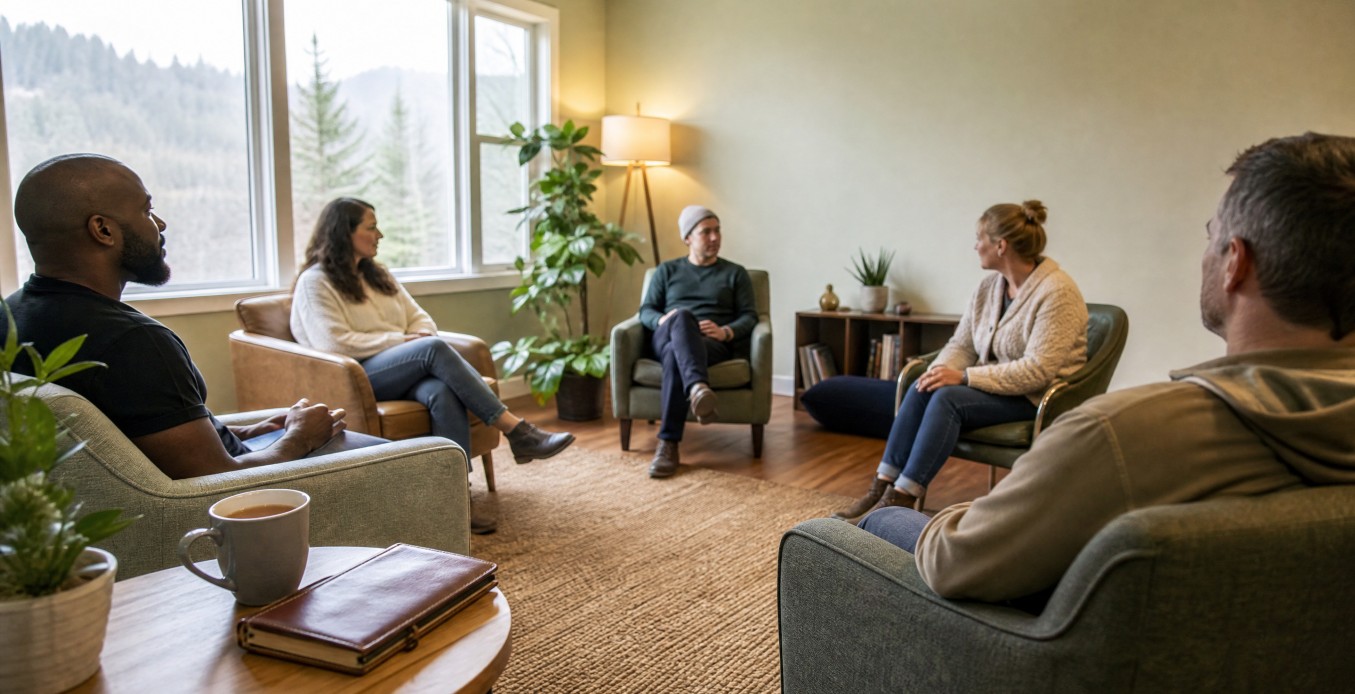
Many people arrive at treatment feeling isolated, even when they are surrounded by others. They may be used to keeping their guard up or telling people only the parts of their story that feel safe to share. In residential treatment, connection can grow in quieter ways. A conversation over coffee, a group discussion, a shared laugh, or simply seeing another person get through a difficult day can remind someone that they are not alone.
There is no prize for having the perfect answer. Recovery is rarely neat, and people do not need to perform wellness to deserve support. A licensed clinician can help someone look at the emotional and practical factors that have shaped their choices, while peer connection can make the process feel less lonely. For many people, that mix of professional guidance and everyday encouragement is a valuable part of residential care.
Putting New Skills Into a Real Daily Rhythm
Insight matters, but it becomes more useful when it has somewhere to go. A residential program gives people repeated chances to practice responding differently. That might mean learning to pause before reacting, putting words to a feeling, accepting help, or keeping a commitment to themselves. These are not overnight changes. They are small repetitions that can become more familiar with time.
This is also why the environment matters. New skills are easier to explore when someone is not trying to do it alone in the same surroundings that have felt overwhelming. In a residential treatment program, the work can happen alongside a daily routine, supportive relationships, and time to reflect on what comes after treatment.
People come to care with different needs. Some begin at a medical detox program before moving into a residential level of care. For a person or family searching for alcohol detox Rome GA, the right starting point should be determined through an individual clinical assessment. What matters most is having a clear next step and a team that can explain the options with respect.
Finding a Place to Begin in Northwest Georgia
There is no single version of recovery, and no one needs to have every answer before reaching out. Sometimes the first useful step is simply asking what support could look like. For people in Rome, GA, and throughout northwest Georgia, a residential setting can offer a calmer place to regroup, build a steadier routine, and start looking ahead with more clarity.
Southeast Detox offers a welcoming place to explore that next step. If you are considering residential treatment for yourself or someone you care about, call (706) 873-9955 or visit southeastdetoxga.com. You can also connect with our team at 30 Chateau Drive SW, Rome, GA 30161 to learn more about available support and admissions options.